Description
What if I can’t attend every week?
Absences from classes can be made up during the same term in any other weekly class. That way, no dance class goes to waste! Read more.
What should I bring with me?
For class, wear clothes that are comfortable to move in and feel good. You can dance in indoor sneakers, dance shoes, or just in your socks. Be sure to bring a water bottle, too.
Rumba Guaguancó
Cuban rumba is a traditional music and dance style and cultural form that emerged in Cuba in the 19th century among the descendants of enslaved Africans and the white lower classes.
Rumba guaguancó is one of the three main styles of Cuban rumba, alongside yambú and columbia. It brings together sexual tension, rhythmic intelligence and Afro-Cuban identity. It is a flirtatious, playful dance that also features a symbolic attempt by one partner to approach the other, known as the vacunao (“vaccination”).
In Rumba Guaguancó classes, you’ll explore the roots of Afro-Cuban movement and rhythm. The classes focus on the body mechanics and rhythmic patterns characteristic of Rumba, as well as playful, interactive expression through solo dance.
You can bring a light scarf or skirt to class. If you’d like, you can also borrow a skirt from the studio.
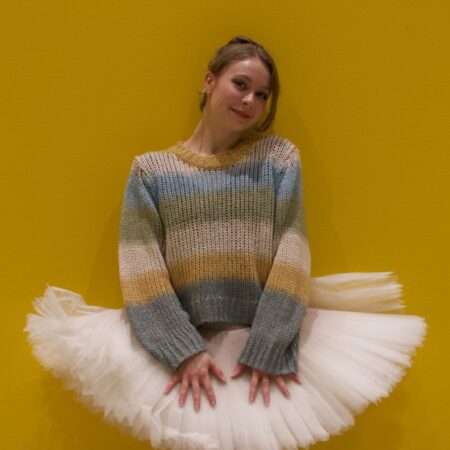
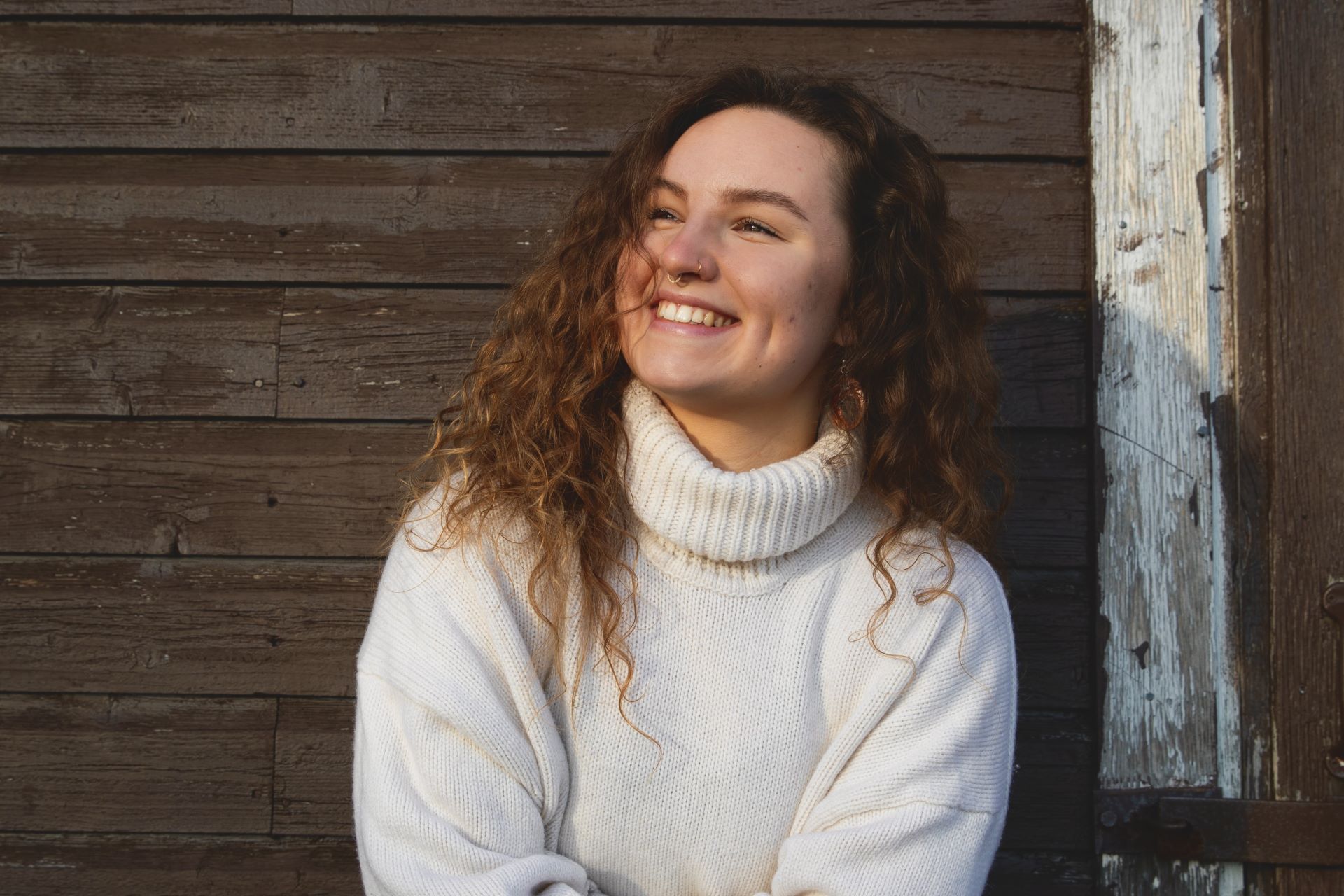
Emma Hirvonen
My roots may lie in the cold North, but my soul has been thoroughly melted by Cuban rhythms.
Dance has been a part of my life throughout my life, and my most important teachers have been the respected maestros and dancers Indira and Yunier Garcia, from whom I have learned both in Finland (for the first time in 2016) and in Cuba, as well as Hanna Terán, with whom I had my first childhood dance experiences and under whose guidance I have grown as a dancer ever since.
I teach Cuban popular dances, including step and body movement techniques based on casino (couple salsa). In my classes, the focus is shifted away from rigid choreography towards a grounded and authentic movement language. In solo classes, students learn to interpret and express different qualities of dance and to combine them naturally. In my teaching, it is important to me to always respect the origins and cultural context of dance. Progress in the courses is made with respect for the dialogue between learning and repetition, i.e., internalizing things and then letting them sink in, understanding that everyone learns at their own pace.
In my teaching, I combine gentle and technically precise guidance. I approach dance with the understanding that we are a whole. Our breathing is an essential part of movement, and with it, relaxation is like opening up a new dimension to dance
Agua!!
More information about the course: info@flama.fi